

Mersin Üniversitesinden Haberleşme Teknolojilerinde Patent Başarısı: Yerli Hibrit Anten Teknolojisi Geliştirildi



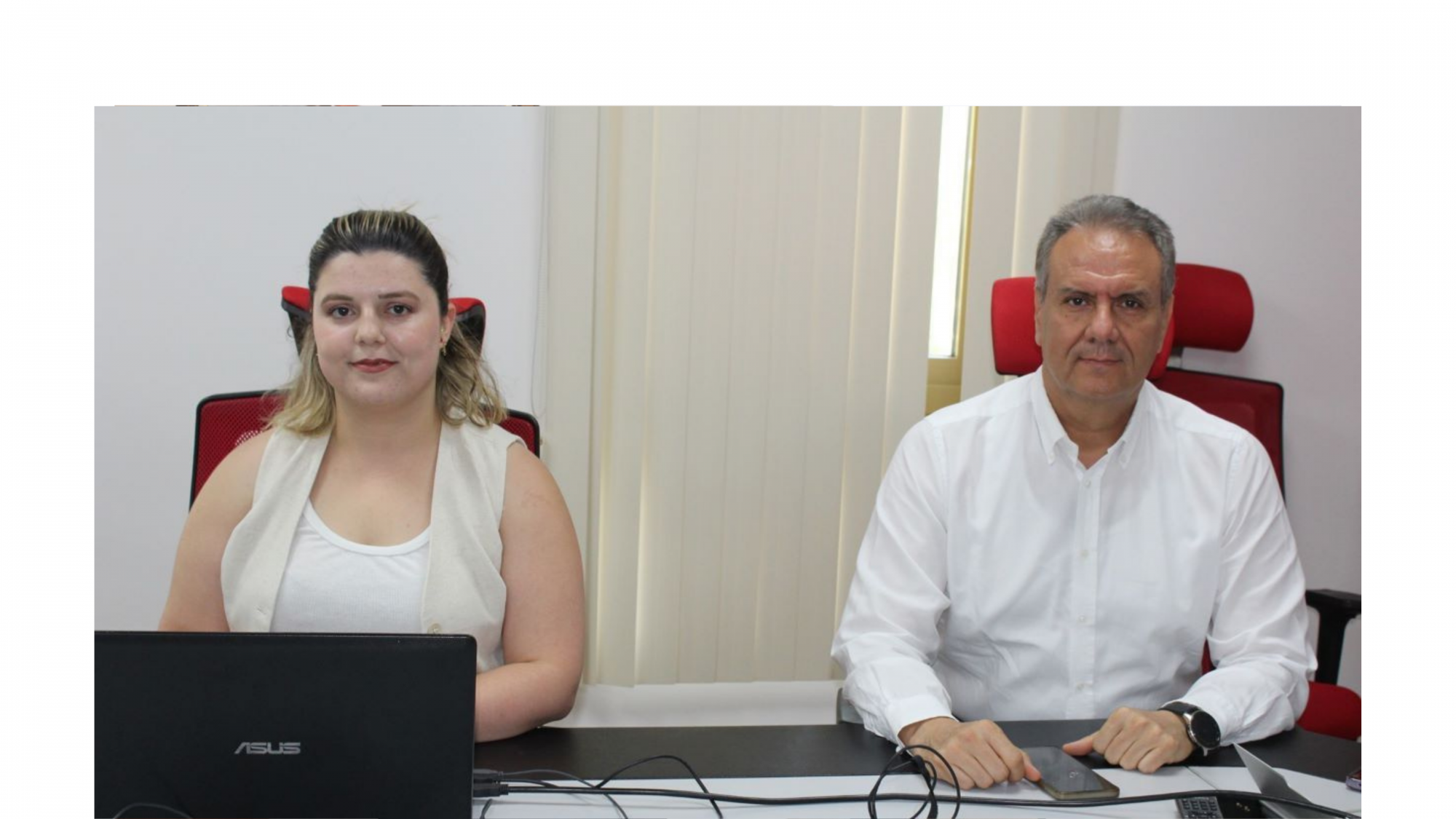
Mersin Üniversitesi, haberleşme teknolojileri alanında geliştirdiği yenilikçi bir çalışmayla önemli bir Ar-Ge başarısına daha imza attı. Mühendislik Fakültesi Elektrik-Elektronik Mühendisliği Bölümü öğretim üyesi Prof. Dr. Caner Özdemir ile Araştırma Görevlisi Nurcihan Günsür tarafından geliştirilen "İHA Haberleşmesi, ISM Radar ve 6G Uygulamaları İçin Yüksek Kazançlı Yönlü Üç Bantlı Mikroşerit Yama Anten Tasarımı", patent başvuru sürecine taşındı.
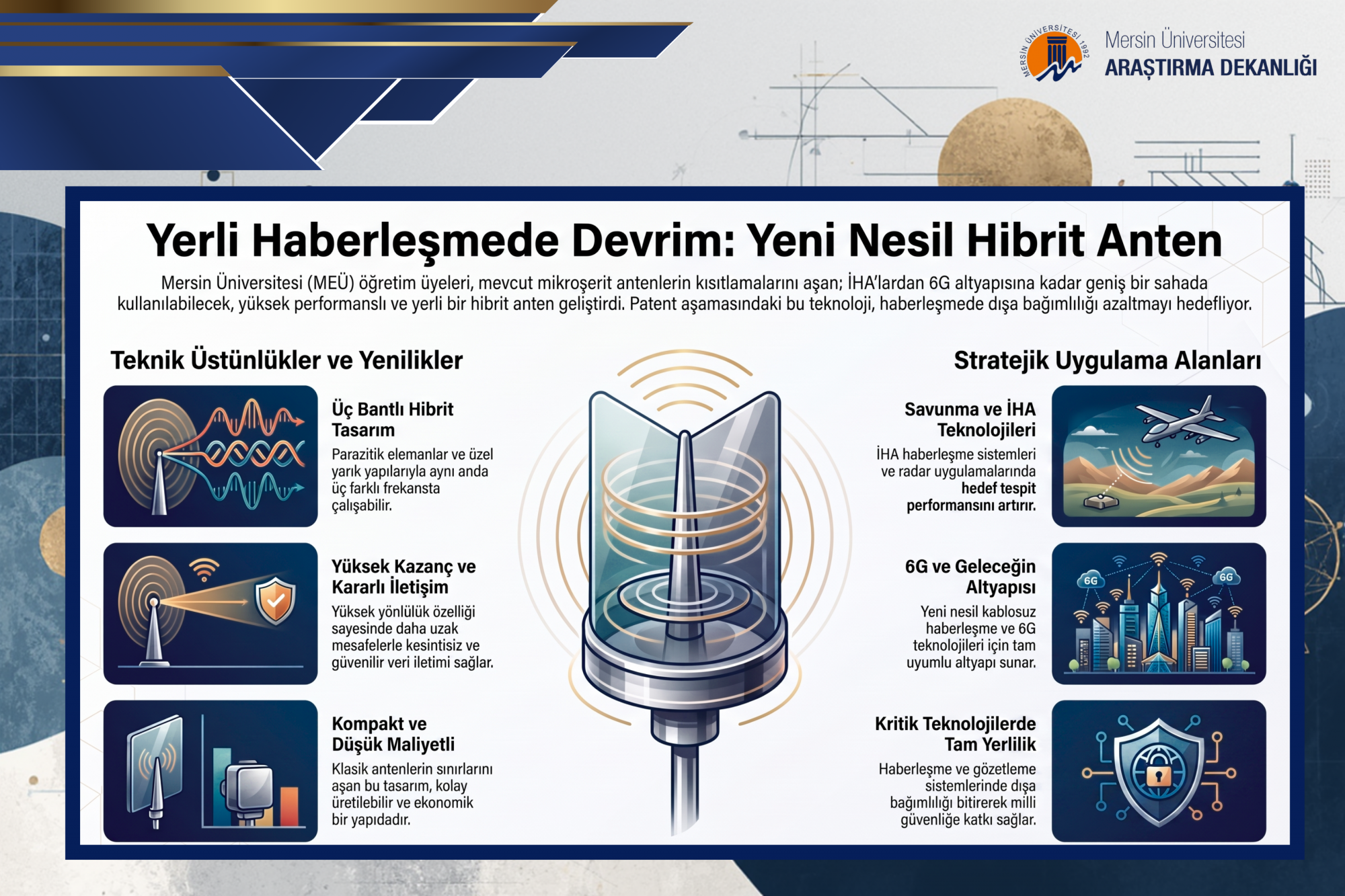
Yaklaşık bir yıl süren tasarım, optimizasyon ve benzetim çalışmaları sonucunda geliştirilen yeni nesil anten teknolojisi; insansız hava araçları (İHA), ISM bandında çalışan radar sistemleri ve geleceğin 6G haberleşme altyapıları başta olmak üzere birçok kritik uygulama alanına yönelik yüksek performanslı ve yerli bir çözüm sunuyor.
Geliştirilen hibrit anten tasarımı, klasik mikroşerit antenlerin bant genişliği, kazanç ve yönlülük gibi performans sınırlamalarını parazitik elemanlar ile özel yarık yapılarını bir araya getiren yenilikçi bir tasarım yaklaşımıyla aşmayı hedefliyor. Aynı anda birden fazla frekansta çalışabilen sistem; yüksek bant genişliği, yönlü haberleşme, kompakt yapı ve düşük üretim maliyeti gibi önemli teknik avantajlar sunuyor.
Çalışmaya ilişkin değerlendirmelerde bulunan Prof. Dr. Caner Özdemir, anten tasarımının hızla gelişen İHA teknolojileri, radar sistemleri ve geleceğin kablosuz haberleşme altyapılarının ihtiyaçları doğrultusunda geliştirildiğini belirterek şunları ifade etti:
"Mevcut mikroşerit antenler düşük maliyetli ve kolay üretilebilir olmalarına rağmen bant genişliği, kazanç ve yönlülük açısından bazı sınırlamalara sahip. Geliştirdiğimiz tasarım, bu eksiklikleri gidererek aynı antenin birden fazla frekansta yüksek performansla çalışmasına olanak sağlıyor. Böylece farklı haberleşme sistemlerinde tek anten çözümü sunulabiliyor."
Prof. Dr. Özdemir, geliştirilen antenin yalnızca İHA haberleşme sistemlerinde değil; savunma sanayii, güvenlik sistemleri, telekomünikasyon altyapıları, radar uygulamaları ve araştırma-geliştirme faaliyetlerinde de kullanılabilecek potansiyele sahip olduğunu vurguladı.
Çalışmanın en önemli çıktılarından birinin, yüksek performanslı anten teknolojilerinin yerli imkânlarla geliştirilebileceğini ortaya koyması olduğunu belirten Özdemir, bu sayede kritik haberleşme teknolojilerinde dışa bağımlılığın azaltılmasına katkı sağlamayı hedeflediklerini ifade etti. Geliştirilen antenin yüksek kazanç, geniş bant genişliği ve çok bantlı çalışma özellikleri sayesinde daha güvenilir veri iletişimi sağlayarak İHA haberleşme performansının artırılması, radar sistemlerinde hedef tespit kabiliyetinin geliştirilmesi ve geleceğin 6G altyapılarında daha verimli haberleşme imkânı sunması bekleniyor.
Patent başvurusu gerçekleştirilen teknolojinin, önümüzdeki süreçte prototip üretimi, performans testleri ve sanayi iş birlikleriyle ticarileştirilmesi hedefleniyor. Bu çalışma, Mersin Üniversitesinin araştırma-geliştirme, fikri mülkiyet üretimi ve yüksek katma değerli teknolojilerin geliştirilmesine yönelik vizyonunu güçlendiren önemli örneklerden biri olarak öne çıkıyor.
- 2026-07-06 15:33:15
- 90